

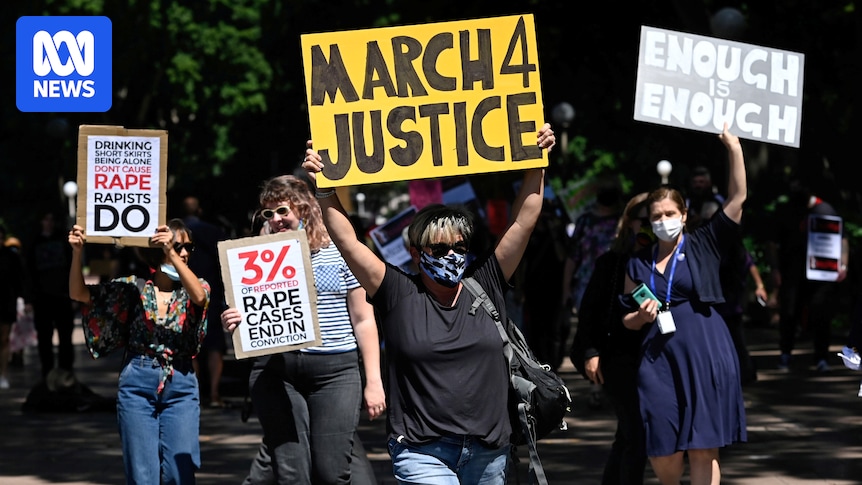
Several sexual assault allegations against women in Australian politics led to rallies across the country in 2021. A new report has highlighted the level of violence and abuse faced by women in politics across the Asia-Pacific region, including in Australia. Women have reported instances of sexual assault, being spat on, and online abuse at alarming rates. The report’s authors urge governments and parliamentary authorities to do more to protect women in politics, such as reviewing and implementing reporting systems for victims of abuse.
Violence and Abuse Against Women in Politics Across the Asia-Pacific Region
The revelations from the Inter-Parliamentary Union report underscore the pervasive nature of gender-based violence and harassment faced by women in politics across the Asia-Pacific region. Despite some progress in establishing confidential reporting mechanisms and support services, such as those noted in countries like Australia, Fiji, India, and Thailand, there remains a significant gap in protective measures and legislation. The absence of specific laws addressing violence against women in politics highlights a pressing need for reform. Brigitte Filion, the report’s author, emphasized the necessity for stronger legislative frameworks and comprehensive codes of conduct to safeguard women in parliamentary environments. She noted the importance of adopting measures similar to those introduced in Australia following the Kate Jenkins review, as a potential model for other nations. The challenge remains to address the deficit in both legislative actions and social media moderation to create safer political spaces for women. The call for a concerted effort from governments, parliaments, and social media platforms aims to foster an environment where women can participate fully and without fear in political life.
Sexual Violence and Harassment in Parliament
A clumsily crafted bot network posting about the Linda Reynolds and Brittany Higgins defamation trial likely originated from foreign influencers wielding culturally divisive topics to sow discord, an ABC NEWS Verify analysis finds. One MP reported being spat on, another said water had been thrown in her face and a third «was hit by a projectile thrown by a senior leader of a political party.» Women also reported being abused by members of the public when attending political events. Nearly all respondents, 96 per cent, didn’t report the incidents of sexist behaviour or remarks — a rate higher than women in European and African parliaments. Five per cent of women who were sexually harassed reported the issue to their parliamentary workplace authorities. One of two women who was sexually assaulted reported the incident to her parliament, which then filed a complaint to the police, with no outcome.
Challenges Faced by Women Under 40 in Politics
The report highlights the urgent need for parliaments to create safer working environments for women, noting the severe impact of gender-based violence on their ability to carry out their duties effectively. The presence of violence and harassment creates a hostile work atmosphere that not only affects the personal well-being of women but also undermines their professional contributions. The IPU emphasizes the importance of implementing robust legislation and protective measures to address these issues, promoting a culture of respect and equality. By fostering an environment where women can work free from fear and intimidation, parliaments can function more democratically and inclusively, ultimately strengthening the democratic process as a whole.
Recommendations for Improving Protections for Women in Politics
The findings of the report highlight the urgent need for continued efforts to protect women in politics and ensure their right to participate in political life without fear of violence or harassment. While some progress has been made, particularly with the introduction of confidential reporting mechanisms and support services, the absence of comprehensive legislation addressing violence against women in politics remains a significant barrier. It is crucial for parliaments and governments to develop and enforce strong laws, provide effective support to those affected, and work collaboratively to create a safer and more inclusive environment for women in political spheres. As more countries take steps towards these goals, there is hope for a future where women can engage fully in politics without the threat of abuse or violence.