


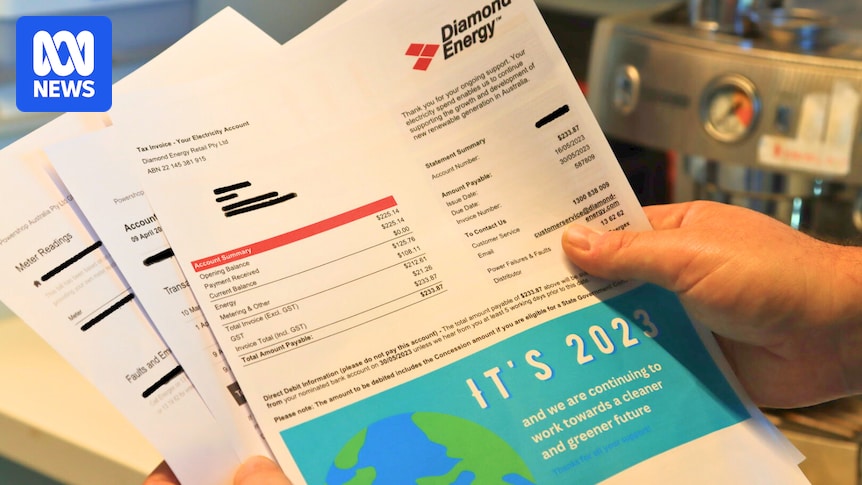
The 2025-26 federal budget includes energy rebates and new measures to alleviate the cost of living. Australians earning the national average income will receive a tax cut of over $1,600 from 2026, as part of the budget’s cost-of-living measures. Middle-income families will benefit most, with the average household gaining more than $15,000 over the next four years.
Energy Rebates and Tax Cuts in the Federal Budget
The budget also emphasizes improvements in healthcare access and affordability, key priorities in enhancing the quality of life for Australians. By increasing the Medicare levy low-income threshold, the government aims to exempt eligible individuals from the Medicare levy, providing financial relief to many. The enhancement in bulk-billing rates, supported by an $8.5 billion investment, reflects the government’s commitment to easing medical costs. The reduction in the Pharmaceutical Benefits Scheme co-payment from $31.60 to $25 per script marks a significant shift towards more affordable medications, particularly benefiting general non-Safety net patients. This change aligns with the broader strategy of ensuring accessible healthcare for all citizens. Additionally, 319 new or amended medications have been added to the PBS list since July 2022, expanding treatment options for a range of conditions, including cancer and menopause-related therapies, as well as introducing the first contraceptives to the list in decades. These measures collectively aim to improve public health outcomes while reducing financial burdens associated with healthcare.
Impact of Energy Rebates and ACCC Inquiry Extension
The planned changes in the budget extend to pensioners, with adjustments made to support those on fixed incomes. The introduction of new and amended medications to the Pharmaceutical Benefits Scheme aims to reduce healthcare costs for many Australians. This entails significant savings on prescription medications, benefiting individuals who are dependent on regular medicinal intake. Pensioners will particularly benefit from the freeze on the maximum co-payment amount, ensuring their health expenses remain manageable. These health-related budget measures demonstrate the government’s commitment to alleviating financial hardships while improving access to necessary healthcare services.
Plan for Energy Bill Relief Extended
In an effort to further alleviate financial pressures on households, the government’s plan extends beyond just tax cuts and energy rebates. The Medicare levy low-income threshold is set to increase for various groups including singles, families, seniors, and pensioners, exempting them from the levy altogether. Additionally, significant modifications to the Pharmaceutical Benefits Scheme (PBS) will reduce the maximum cost of medicines from $31.60 to $25 per script for individuals with a Medicare card. For pensioners, the maximum co-payment will remain at $7.70. These changes are projected to make 4 out of 5 PBS medicines more affordable for general non-Safety net patients. New drugs, particularly for serious conditions like cancer, along with the first menopausal hormone therapies in decades, have also been added, marking a substantial expansion of accessible healthcare.
Impact of Education Debt Changes on Australians
In conclusion, the 2025-26 federal budget aims to provide considerable relief to Australians grappling with the cost of living. Through tax cuts, energy rebates, and changes to the Medicare levy, substantial support is being offered to middle-income families, pensioners, and students. These measures, alongside the significant amendments to the Pharmaceutical Benefits Scheme and the reduction of student debts, reflect a comprehensive approach by the government to alleviate financial pressures and enhance the well-being of Australians across various sectors.