


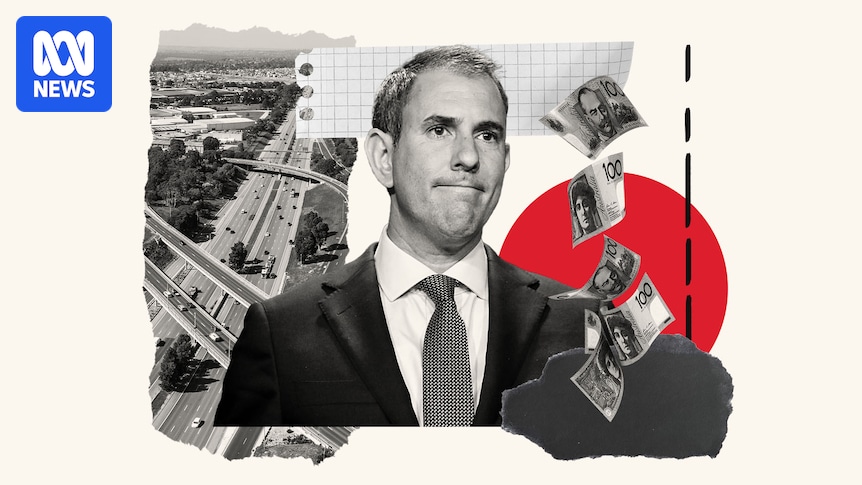
Jim Chalmers handed down the budget on Tuesday. The golden rule of federal budgets is that they progressively become more benign with the approach of an election. Get all the tough stuff out of the way early on in proceedings until you get to the final year when you can start doling out the largesse. This budget is right on cue. Lots of handouts and extra spending with nary a revenue raising measure in sight. Everyone’s a winner, and not a loser to be found. Even beer drinkers have something to celebrate, as if they didn’t normally, with a freeze on excise duties. Treasurer Jim Chalmers warned there would be little, if anything, new in this document given the government had planned to call an election earlier this month, negating the need for a budget.
The Election-Driven Nature of the Federal Budget
The focus on furthering domestic manufacturing and processing seems to have lessened, as indicated by this year’s budget allocations. Despite the previous ambition for Australia to enhance its role in processing rather than just extraction, there is now a more cautious approach in light of political changes and economic fluctuations. The challenges faced in green technology production have also contributed to this reevaluation, with the government opting to utilize previously allocated funds for ongoing projects rather than initiating new ones. Consequently, while the commitment to sustainable practices remains, the avenues pursued are shaped by current geopolitical and economic dynamics, indicating a strategic shift in priorities and resource allocation.
Income Tax Cuts and Their Impact
The subdued nature of this year’s budget reflects a shift in priorities and economic circumstances. Prior commitments to supporting the production of green metals and recapturing the momentum in renewable energy technologies remain, but they are being financed with existing funds rather than new allocations. This cautious approach indicates a desire to maintain fiscal responsibility while still honoring previous environmental and industrial commitments. The dynamics of international relations, notably with the US administration, have also influenced budgetary decisions, leading to a more conservative stance on initiatives that could potentially conflict with American interests in reshoring industries. As a result, the budget treads carefully around new investments in domestic manufacturing to avoid diplomatic tensions.
Cyclone Alfred Alters Budget Strategy
At the same time, the narrative around economic strategy has shifted considerably. Previously, there was a strong emphasis on bolstering innovation and technological development to maintain competitive advantage. However, given the current geopolitical climate and shifting alliances, the focus is now realigning toward reinforcing traditional industries and securing economic independence. While not completely abandoning innovation, there’s a subtle retreat from international collaborative efforts. The intention is to consolidate and strengthen internal capacities in the face of potential global uncertainties. This pragmatic approach could help buffer against future economic shocks, yet it still requires balancing the trade-offs between fostering new growth sectors and supporting established industries.
Cyclone Alfred’s Impact on Budget Planning
In conclusion, this year’s budget reflects a strategic yet cautious approach, emphasizing continuity and prudent financial management. While it features modest measures to relieve taxpayers and support green initiatives, it primarily relies on previously allocated funds. The overarching aim remains to balance long-term fiscal health with immediate economic necessities, all while navigating the geopolitical landscape and the domestic political cycle.