

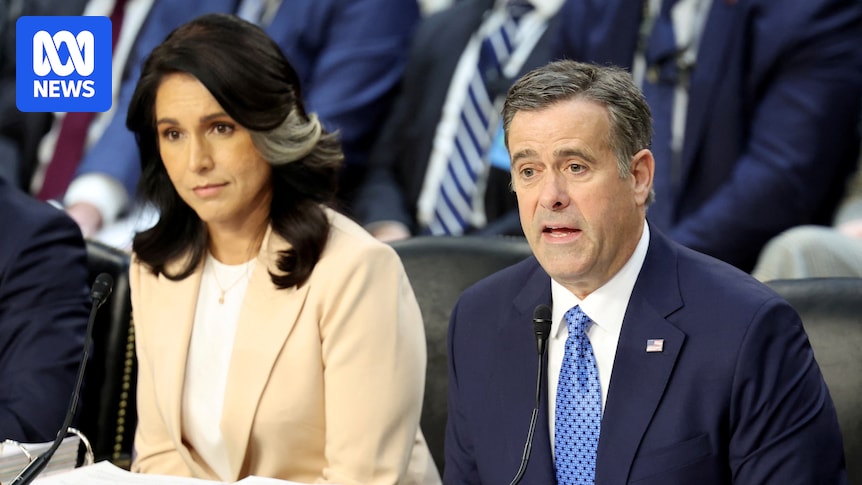
US President Donald Trump has defended an adviser who accidentally added a magazine editor to a confidential war group chat on Signal. This mistake occurred within the context of discussing a military operation in Yemen, raising concerns about the improper sharing of confidential information through a commercial app. Trump described the mistake as minor and without consequence to the operation’s success, mentioning that the involvement of the journalist’s number was accidental. The incident sparked questions during a congressional committee hearing, with officials asserting no classified information was shared. Despite official claims, some senators doubted this, given the sensitive nature of military operations. Following the incident, the National Security Council has undertaken a review, amidst criticisms regarding the administration’s handling of the error. Meanwhile, the White House has countered criticisms by accusing the press of distracting from Trump’s achievements.
Defending a White House Glitch and the Use of Signal for Confidential Discussions
The incident has stirred a broader debate about the security and protocols regarding the use of commercial messaging apps for government communication. Critics argue that this reliance poses a significant risk to national security, highlighting the potential for unauthorized access to sensitive information. Additionally, the error raises questions about the effectiveness of current measures in place to ensure that such communication platforms are utilized safely and securely. The controversy also underscores the challenges of balancing transparency and security in the digital age, where information can be inadvertently or deliberately disseminated to unintended recipients, leading to potentially severe consequences.
Congressional Review and Responses
While the administration downplays the issue, concerns persist about the broader implications for national security protocols. Critics argue that such lapses reflect deeper vulnerabilities in handling sensitive information. The episode has sparked a debate about the measures in place to prevent similar mistakes and protect classified data. Amidst the ongoing scrutiny, discussions continue in Washington about the most effective ways to balance transparency and security without compromising operational integrity.
Signal App Use and Security Concerns
Despite the White House’s attempts to downplay the situation, the incident has sparked a debate on the security protocols within the administration. Questions have arisen about the systems in place to prevent such oversights and ensure the confidentiality of sensitive information. Experts point out that using a commercial app like Signal for government communications might not meet the necessary security standards, suggesting a need for tighter controls and more secure communication channels. The incident also highlights broader concerns about how the current administration handles national security, with critics arguing that such errors could have far-reaching implications if not addressed promptly. The ongoing investigation aims to implement corrective measures to avoid future mishaps and reassure both domestic and international partners of the administration’s commitment to safeguarding classified information.
White House Public Relations Campaign and Media Reaction
As the situation continues to unfold, it remains a point of contention and scrutiny within the halls of government. With investigations ongoing and reviews being conducted, the broader implications of this incident on national security practices and protocol usage are still to be fully understood. In the meantime, the administration remains steadfast in its defense of the handling and responses to the incident.