


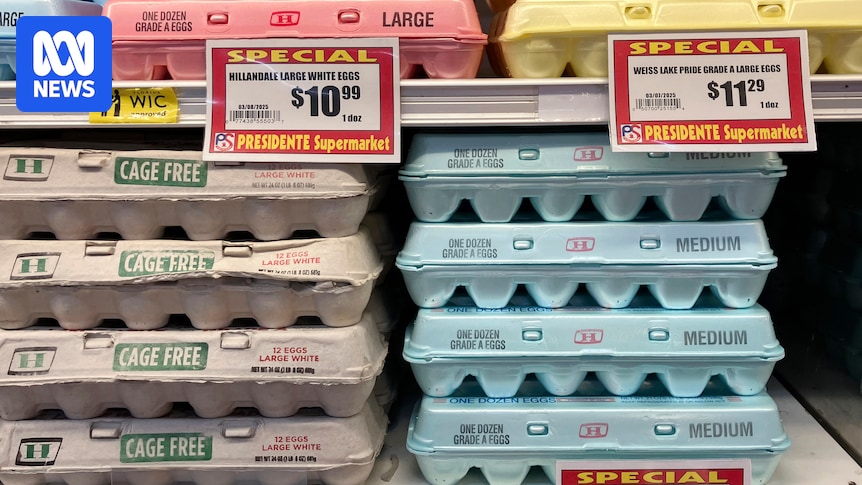
US President Donald Trump has committed to reducing the high price of eggs, which has become a significant issue during his presidency. Despite initially being a campaign strategy focusing on the cost of living, the surging price of eggs has turned into a policy challenge due to a 65 percent increase in costs over the past year. The situation is exacerbated by a major bird flu epidemic, which has led to a shortage of eggs, causing prices to soar. As a response, the US has started importing millions of eggs from countries like South Korea, Türkiye, and Brazil. Additionally, egg smuggling has become a concern, with more eggs seized at the US-Mexico border than fentanyl. While some solutions are in place, the industry continues to adapt, with hopes that US poultry farmers will soon be able to meet domestic demand.
US President Donald Trump’s Promise to Lower Egg Prices
The importance of stabilizing egg prices is clear, given the impact on consumers and the broader market. In the United States, efforts have been made to address this issue through increased imports from countries like South Korea, Türkiye, and Brazil. However, the reliance on foreign eggs is viewed as a temporary measure until domestic production recovers. As demand continues to outstrip supply, these imports play a crucial role in preventing further price spikes. There are also ongoing discussions about policy changes to potentially allow other sources, such as eggs from broiler chickens, to contribute to the consumer market. Meanwhile, consumers are feeling the pressure, with supermarkets encountering shortages and imposing purchasing limits. The situation is a reminder of the interconnectedness of global agriculture and the challenges governments face in ensuring the availability and affordability of essential food items like eggs.
Impact of Bird Flu on Egg Supply and Prices
The Australian government remains proactive in addressing the challenges posed by bird flu and its impact on egg supply. Last year, they launched a comprehensive $100 million initiative aimed at tackling avian influenza, focusing on both domestic and global concerns. According to a spokesperson from the Department of Agriculture, while some areas experience localized shortages, eggs generally remain accessible to the public. The department has also established import approval protocols, allowing food service companies and retailers to import eggs and egg products if deemed essential for fulfilling their supply needs. Despite the outbreaks, Australia’s stringent biosecurity measures contribute to the country maintaining an H5 bird flu-free status.
Egg Smuggling at the U.S.-Mexico Border
Egg shortages have led to creative solutions as both the US and Australia deal with the consequences of avian flu outbreaks. In the US, imports from countries like South Korea, Türkiye, and Brazil have been vital in mitigating the shortage and stabilizing prices. Brazil, benefiting from changes in US regulations, has seen a significant increase in its egg exports to the US. Meanwhile, the Australian government is focused on ensuring local biosecurity and has not followed suit in importing eggs, instead relying on recovering domestic production. Both nations are working with industry groups to ensure the availability of eggs through strategic programs and regulations. These efforts aim to restore the egg supply chain and bring relief to consumers affected by the surge in prices and limited availability.
Global Impact of Avian Influenza on Egg Supply and Prices
As the situation with egg prices and availability continues to evolve, governments and industry stakeholders remain vigilant in addressing the challenges posed by avian influenza and market disruptions. Efforts to stabilize supply and implement biosecurity measures are ongoing, while consumers may still face some limitations and higher costs in the short term. Collaboration between industry and government aims to ensure that eggs remain accessible to all, despite the hurdles presented by this global issue.