

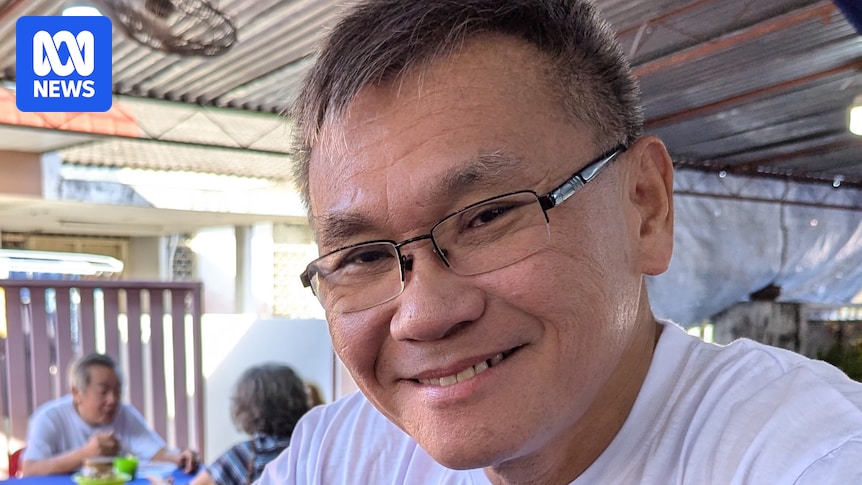
Grant Astill, from the Illawarra in NSW, expresses disappointment over the lack of explicit proposals for a better future in the recent budget speech. He expected the treasurer to outline substantial economic improvements and to address issues like trade diversification and wealth inequality. The Albanese government’s final budget before the upcoming election includes tax cuts but lacks focus on long-term economic restructuring, particularly in relation to Australia’s vulnerabilities and global positioning. Several Australians, including educator Holly Roberts and Hobart resident Tony Haigh, echo these concerns, highlighting the need for more investment in diplomacy, energy transition, housing, and broader tax reforms. Adrian Sim and Peter Vincent also emphasize the absence of visionary, long-term solutions in the budget, with the latter seeing little impact on housing affordability.
The Impacts of Tax Reform and Missing Economic Vision
The perspectives shared by Grant Astill, Holly Roberts, Tony Haigh, Adrian Sim, and Peter Vincent highlight a common theme of dissatisfaction with the budget’s lack of long-term planning and comprehensive reforms. Astill’s concerns about trade diversification and self-reliance resonate with others who feel that the government is not addressing the nation’s vulnerabilities thoughtfully. Roberts, although not an economics expert, emphasizes the necessity for investment in diplomacy over defense, capturing a desire for a peaceful future for her students. Similarly, Haigh critiques the budget for not tackling the structural deficit or committing to tax reforms targeting big businesses.
Sim and Vincent focus on the superficiality of the presented solutions, with Sim describing the budget as a series of short-term fixes and Vincent expressing concern over the limited scope of housing initiatives. There’s a shared desire for strategic vision, one that includes significant reforms in various sectors like renewables, energy, and the housing market, to prepare Australia for future challenges. The discussions reveal an electorate keen on sustainable, comprehensive solutions that go beyond immediate political gains and consider building a more prosperous and secure future for all Australians.
Tax Reform and Economic Diversification
This uncertainty regarding housing, shared by Peter Vincent and many others, highlights a broader issue facing young Australians today. Many are grappling with the lack of affordable housing options and the challenges of securing a stable living situation. The recent budget announcements seemed to provide only minimal relief and lacked substantial measures to tackle this pervasive problem. While some initiatives, like the ‘Help to Buy’ scheme, aim to offer assistance, their limited scope raises concerns about their actual effectiveness. As potential voters evaluate these provisions, the housing crisis remains a critical issue that urges for more decisive and impactful action from policymakers.
Investment in Diplomacy and Conflict Prevention
Holly Roberts emphasizes the need for a more effective approach to global challenges through increased diplomacy and conflict prevention. She expresses her belief that the current focus on defense spending overlooks opportunities to foster lasting peace and stability. According to her, investing in proactive measures can provide a more permanent solution than temporary fixes. Nevertheless, she acknowledges the appeal of the budget’s attention-grabbing promises such as tax cuts and support for education but is troubled by the lack of transparency and discussion around significant issues like the AUKUS nuclear submarine deal. Her concerns reflect wider apprehensions among South Australians, highlighting the need for clarity and honesty from their leaders regarding national commitments and security deals.
Concerns About Renewable Energy and Housing Affordability
In conclusion, the recent budget and the responses it evoked illustrate the diverse expectations and concerns of Australians as they approach the upcoming federal election. From calls for more substantial tax reform and a clearer focus on long-term economic stability to the desire for increased diplomatic efforts and more significant investments in housing, it is clear that many citizens are looking for a government willing to address these pressing issues with bold vision and decisive action. As the political landscape continues to evolve, the voices of everyday Australians remain a crucial part of the dialogue, underscoring the need for meaningful engagements and commitments that prioritize the country’s future well-being.