

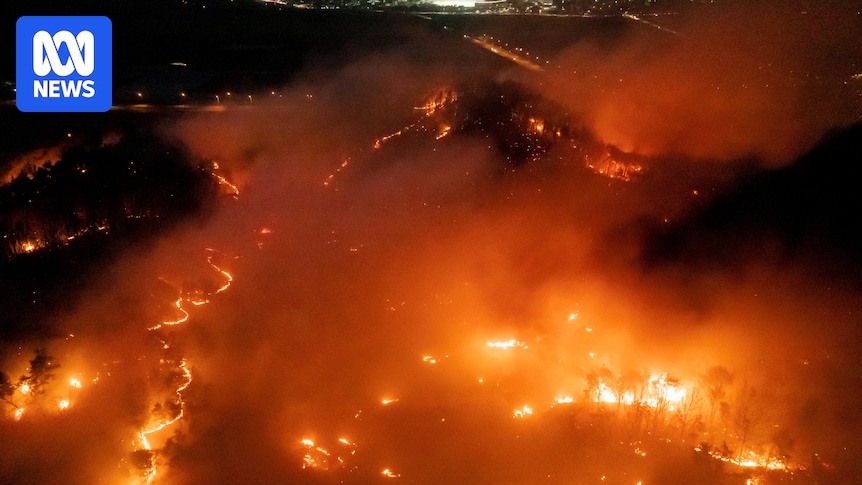
Strong winds have fanned South Korea’s wildfires in Andong. At least 24 people have died as wildfires burn in South Korea, with tens of thousands forced to flee their homes. Thousands of firefighters are trying to contain the fires.
Wildfires Devastate South Korea’s South-Eastern Region
Local residents have also been grappling with the aftermath of the devastating wildfires, as emergency services continue to prioritize efforts to safeguard remaining properties and limit further damage. The destruction of Goun Temple, a structure with deep historical significance, symbolizes the extensive cultural losses felt throughout the region. In the face of these overwhelming challenges, authorities are intensifying their efforts, focusing not only on extinguishing the flames but also on preserving sites of historical importance such as Hahoe Village and the Byeongsan Confucian Academy. The resilience and support of the community, coupled with the international assistance they are receiving, remain crucial as South Korea navigates this crisis. The nation’s reliance on aerial firefighting methods, necessary due to its rugged terrain, is being tested to its limits as the fires persist beyond expectations.
Impact of Wildfires on Cultural Heritage Sites
Despite the ongoing firefighting efforts, the situation remains critical, with authorities scrambling to prevent further loss of life and damage. Efforts are primarily focused on the Uiseong fire, the most destructive blaze, threatening cultural landmarks and residences. The Korean government declared a state of emergency in the affected regions, aiming to streamline resources and support to combat the fires swiftly. However, concerns about the long-term implications of this disaster persist, as the nation grapples with inadequate firefighting resources exacerbated by international sanctions affecting equipment supplies. The emphasis now is on safeguarding historical sites while intensifying efforts to bring the catastrophic situation under control.
The impact of climate change on wildfire frequency
The government’s designation of the affected areas as special disaster zones underscores the seriousness of the situation. Over 37,065 acres have been damaged, with vast stretches of forest and numerous historic sites impacted by the relentless flames. This categorization allows for a more streamlined allocation of resources and financial aid to both the region’s recovery efforts and the displaced residents. The ongoing struggle, intensified by challenging weather conditions, emphasizes the need for continued international support and collaboration, as both local and international teams work tirelessly to bring the wildfires under control.
Lessons from Recent Wildfires and Future Prevention Strategies
The South Korean government is actively responding to the wildfires by designating affected areas as special disaster zones, signifying the urgency and importance of the situation. With more resources and personnel deployed, including international assistance and plans to secure additional firefighting aircraft, efforts are being intensified to control the spread of the fires and protect valuable cultural heritage as well as communities at risk. The challenges posed by climate change highlight the need for more robust firefighting capabilities and preparedness to mitigate the impact of such natural disasters in the future.