

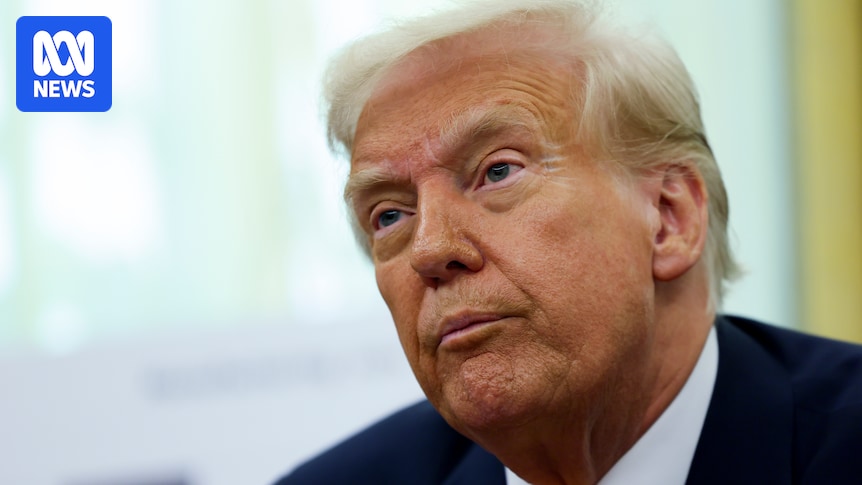
US president Donald Trump’s tariff regime may impact Australia’s economy and budget bottom line. Jim Chalmers, in his budget speech, highlighted global economic volatility as a threat to Australia’s economic outlook. Although he anticipated a soft landing from peak inflation, he cautioned about potential negative impacts from global trade disruptions, slowing Chinese growth, ongoing wars in Europe, and unrest in the Middle East. Treasury’s forecasts suggest prolonged below-average global growth, with added risks from Trump’s tariffs, potentially reducing Australia’s economic growth and increasing inflation. The indirect effects of these tariffs, particularly on exports to the US from Australia’s key trade partners like China, Japan, and Korea, could be substantial, and retaliatory tariffs could exacerbate the situation. There’s concern that escalating trade tensions could disrupt global trade significantly, with effects on global economies and investment decisions, amidst a broader backdrop of growing protectionism.
Impact of Global Economic Volatility on Australia’s Economy and Budget
The potential effects of the tariffs extend beyond economic indicators; they could also influence global alliances and geopolitical stability. Australia’s close economic relationships with countries like China, Japan, and Korea mean that any instability in these economies can have ripple effects domestically. If these key trading partners face disruptions in their exports to the US, the consequences for Australia’s own trade dynamics could be profound. The uncertain international climate, compounded by growing protectionist sentiments, adds to the challenges. Businesses may hold back on investments due to the unpredictable nature of trade developments, further dampening economic growth. As existing trade relationships become strained, there might be a push for new alliances or the strengthening of regional trade agreements, but these solutions take time to materialize and may not fully offset the initial negative impacts. As the situation evolves, both government and businesses will need to navigate these complexities carefully to mitigate damage to the economy and ensure sustainable growth.
US Tariffs and Their Impact on Australia’s Economy
Trade tensions and protectionist measures are causing anxiety among global markets, and there’s a growing concern about the ripple effects these may have on global economic stability. US companies are hastily trying to procure goods ahead of tariffs, inadvertently boosting short-term economic activity but setting the stage for future economic downturns once the tariffs take effect. This frenetic rush is not ideal, as it simply shifts demand forward, leaving a potential void when the tariffs are finally imposed. The consequences extend beyond immediate trade issues—businesses are starting to hesitate on major investments due to uncertainty around international trade relations and policies. With projects like those waiting on necessary imports getting caught in the crossfire, the delay or deferment of investment could hinder economic growth. As global leaders increasingly lean towards protectionism, the risk of significant setbacks to the global economy looms large, with the globalised economic system facing potential upheaval.
Effects of US Tariffs on Australia’s Key Export Destinations
Treasurer Jim Chalmers and the Treasury’s analysis highlight a troubling scenario for Australia’s economy if the global protectionist trends, spearheaded by Donald Trump’s tariff policies, continue to escalate. The broader implications of these tariffs extend beyond immediate economic impacts, as they potentially reshape global trade dynamics and instigate financial instability. Australia’s economy, while currently navigating a promising decline from peak inflation towards a soft landing, remains vulnerable to these international developments. The Treasury’s warning about subdued global growth prospects adds a layer of urgency to the government’s economic strategizing, especially considering how these tariffs might also amplify domestic inflationary pressures. The interconnected nature of global economies means that disturbances in trade relations are not just isolated events; they have ripple effects that could disrupt investment patterns and confidence within Australia and beyond. It is this combination of immediate economic risks and longer-term uncertainties that underscores the need for vigilant economic policy response.
Impact of Trade Tensions on Global Markets
In conclusion, the future of Australia’s economy is fraught with challenges and uncertainty, especially amidst the volatile global economic landscape. The impact of protectionist policies, like those proposed by US President Donald Trump, could significantly affect Australia’s growth. As global trade disruptions continue, the need to address these pressing issues becomes ever more critical. The risks posed by escalating trade tensions and their ripple effects on investment and economic stability highlight the fragility of the current international order. As uncertainty looms, it is essential for leaders to acknowledge and navigate these complex dynamics, ensuring informed policy decisions to safeguard economic interests.